
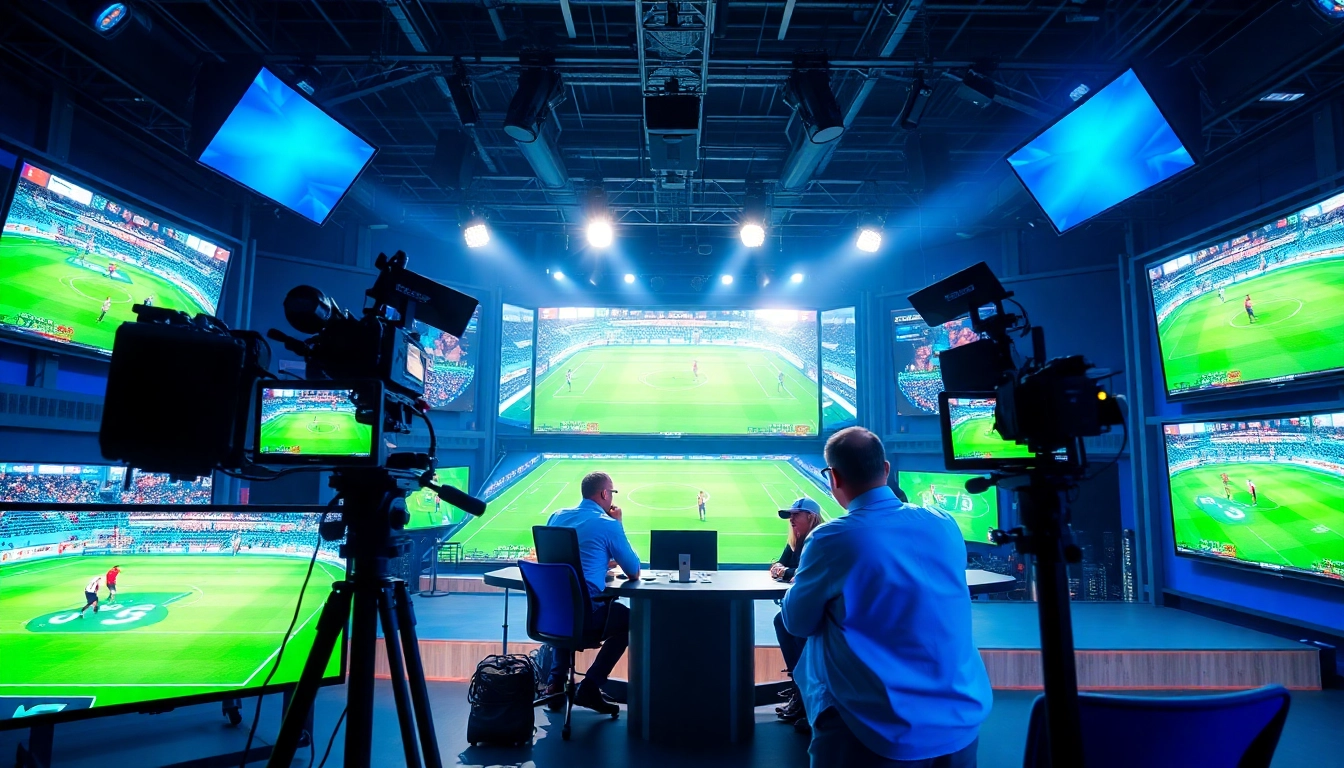
Understanding Sports Broadcasting Overview
Defining Sports Broadcasting
Sports Broadcasting refers to the distribution of sports-related content through various media, including television, radio, and online platforms. This dynamic sector allows fans to engage with their favorite sports and athletes, providing real-time updates and highlights that enhance their viewing experience. Within the realm of Sports Broadcasting, viewers have access to live events, pre-and post-game shows, commentary, and analysis, all tailored to optimize viewer engagement and satisfaction.
History of Sports Broadcasting
The origins of sports broadcasting can be traced back to the early 20th century. In 1921, radio became the first medium to broadcast live sporting events, beginning with a boxing match. This development marked a pivotal moment, paving the way for television broadcasts that began in the 1930s. As technology advanced, the quality of broadcasts improved, enabling networks to capture the excitement of live action more vividly. The first televised sporting event in the U.S. was a college baseball game in 1939, signifying the beginning of a new era.
Throughout the decades, significant sporting events like the Olympics and the Super Bowl have propelled sports broadcasting into the mainstream, attracting millions of viewers. The 1980s and 1990s witnessed the advent of cable and satellite television, expanding options for sports fans significantly. Today, with the rise of digital streaming platforms, sports broadcasting continues to evolve, incorporating innovations such as virtual reality and 360-degree cameras.
Current Trends and Innovations
Modern sports broadcasting is experiencing rapid changes driven by technological advancements and shifting viewer preferences. Among the most notable trends are streaming services that provide on-demand access to live events, allowing spectators to watch games on multiple devices. Additionally, the integration of engaging graphics and augmented reality is transforming how viewers consume sports, enabling more interactive and immersive experiences.
Furthermore, social media platforms play a crucial role in sports broadcasting. Fans now engage directly with content, interact with athletes and participate in live discussions. This two-way engagement fosters a sense of community and enhances loyalty among viewers, which is invaluable for networks and sports entities alike.
Key Components of Sports Broadcasting
Technology in Sports Broadcasting
Technology is the backbone of contemporary sports broadcasting. The shift from traditional cable to streaming services has revolutionized how sports content is produced and delivered. Innovations such as high-definition cameras, drones, and advanced sound systems bring matches closer to viewers than ever before. For instance, instant replay technology allows fans to view critical moments from multiple angles, enhancing their understanding of the game.
Moreover, cloud technologies enable broadcasters to manage content distribution more efficiently, ensuring high-quality transmissions even in challenging conditions. The rise of artificial intelligence (AI) also promises to personalize viewer experiences by offering tailored content based on an individual’s preferences and viewing habits.
Roles in Broadcasting Teams
The seamless execution of a sports broadcast relies on the collaboration of various professionals, each contributing their expertise. Key roles include producers, directors, camera operators, commentators, and analysts. Producers are responsible for orchestrating the entire broadcast, from content planning to final execution. Directors ensure that the flow of the broadcast is engaging and coherent, while camera operators capture live action from multiple viewpoints.
Commentators and analysts provide context and insights that enhance viewers’ understanding of the game. Their ability to convey emotion and excitement plays a significant role in viewer engagement. Additionally, behind-the-scenes teams work on technical aspects such as sound engineering and graphics portrayal, ensuring a high-quality experience for the audience.
Content Delivery Platforms
Content delivery platforms are integral to the sports broadcasting ecosystem. Traditional television networks remain prominent players, but digital platforms are rapidly gaining ground. Services such as Hulu Live, YouTube TV, and ESPN+ allow fans to stream live sports, catering to the increasingly mobile-centric lifestyle of today’s viewers.
The rise of social media as a broadcasting platform cannot be overlooked. Platforms like Twitter, Facebook, and Instagram have become places where sports content is shared and discussed, fostering community engagement. Additionally, dedicated sports apps provide real-time updates and access to highlights, enriching the fan experience.
Challenges in Sports Broadcasting
Regulatory Issues and Compliance
Sports broadcasting does not come without its challenges, one of the most significant being regulatory compliance. Different regions have varying regulations regarding broadcasting rights, censorship rules, and advertisements. For example, restrictions on gambling advertisements may limit revenue streams for broadcasting companies. Navigating these complex regulations can be daunting and requires a thorough understanding of local and international laws.
Moreover, intellectual property rights surrounding sports media can lead to legal conflicts. Ensuring that all content is licensed and complies with copyright laws is a crucial part of the broadcasting process. Maintaining strong legal teams devoted to these issues can mitigate risks and maintain compliance.
Viewership and Audience Engagement
Engaging audiences is paramount in the highly competitive landscape of sports broadcasting. With multiple platforms vying for viewers’ attention, broadcasters face the challenge of differentiating their offering. Building loyalty among viewers involves understanding their preferences and providing content that resonates with them. Surveys, analytics, and feedback can provide valuable insights into viewer behaviors and preferences.
Moreover, combating viewer fatigue is critical. As options proliferate, maintaining viewer interest through innovative broadcasting techniques, varied content, and more interactive experiences is vital. The inclusion of fan polls during broadcasts or interactive features can keep audiences engaged and invested in the content.
Adapting to Changing Consumer Preferences
As consumer preferences evolve, sports broadcasters must adapt accordingly. Today’s audiences seek flexibility, accessibility, and personalization. Younger viewers tend to prefer streaming services and on-demand content over traditional television. To remain relevant, broadcasters must understand generational shifts in content consumption and adjust their strategies accordingly.
Additionally, experiential marketing is becoming increasingly important. Techniques that create immersive experiences for viewers—such as augmented reality apps or behind-the-scenes content—resonate well with fans and cultivate deeper connections with sports organizations. Broadcasting teams that prioritize innovation and consumer satisfaction are better positioned to thrive in this changing environment.
Best Practices for Sports Broadcasting
Enhancing Broadcast Quality
Ensuring high-quality broadcasts is essential for viewer retention and satisfaction. Investing in modern equipment—such as 4K cameras, superior audio systems, and advanced streaming technologies—can dramatically improve the viewing experience. Moreover, optimizing the broadcast layout, including camera angles and on-screen graphics, significantly enhances engagement.
Regular training sessions for broadcasting teams can also play a significant role in maintaining quality. Familiarity with the latest technologies and techniques enables teams to adjust quickly, especially during live broadcasts. This constant improvement helps to overcome challenges that arise during production and ensures smooth execution.
Effective Storytelling Techniques
At its core, effective sports broadcasting transcends mere play-by-play commentary; it involves imaginative storytelling that captivates audiences. Engaging narratives about athletes’ journeys, rivalries, or pivotal moments during games can make broadcasts more compelling. Highlighting lesser-known aspects, like player backgrounds or historical context, enriches viewer understanding and investment in the event.
Employing various storytelling techniques, such as using emotional music scores during highlights or incorporating graphics detailing players’ statistics, can elevate the viewer experience. Offering contextual commentary helps viewers appreciate the significance of the events unfolding before them.
Leveraging Social Media for Engagement
Social media has emerged as a pivotal tool for enhancing audience engagement in sports broadcasting. Conventional broadcasts can be supplemented with real-time interactions through platforms like Twitter, Instagram, and Facebook, where fans can comment and debate as events unfold. This interaction fosters community and turns passive viewers into active participants.
Furthermore, creating engaging content tailored for social media distribution—such as short clips, polls, or behind-the-scenes footage—can drive traffic back to the main broadcasting service. The relationship between broadcasters and social media is symbiotic; as broadcasters push content on social platforms, they expand their reach and ensure higher viewer engagement.
Measuring Success in Sports Broadcasting
Key Performance Indicators
Determining the success of sports broadcasting involves analyzing various Key Performance Indicators (KPIs). Engagement metrics, such as viewership numbers, social media interactions, and audience retention rates, provide valuable insights into how broadcasts are received. Analyzing these metrics enables broadcasters to refine their strategies, identify strengths, and improve weaknesses.
Revenue generated from advertising and subscriptions should also be monitored closely. The ROI from these channels can provide a clear picture of the financial viability of a broadcasting strategy. Understanding audience demographics and behaviors through analytics can inform future decisions, ensuring continuous improvement.
Audience Feedback and Ratings
Audience feedback is vital for gauging the success of sports broadcasts. Surveys, comment sections, and social media feedback allow broadcasters to gather insights directly from viewers, offering a pulse on what works and what doesn’t. Viewer ratings, including Nielsen ratings, help assess how well a broadcast performed against expectations and competitors.
Listening to viewers’ opinions and adopting changes based on their feedback can significantly improve future broadcasts. For instance, if many viewers criticize the commentary, addressing this by enhancing selection processes for commentators can increase satisfaction.
Future Outlook and Predictions
As we look to the future of sports broadcasting, several trends are predicted to shape the landscape. The increasing popularity of eSports is likely to influence traditional broadcasting strategies, as audiences become accustomed to varied formats and immersive experiences. Additionally, the integration of AI for predictive analytics may transform how sports broadcasts are personalized and delivered to individual viewers.
Furthermore, as the potential of virtual reality unfolds, providing immersive live experiences from the comfort of home will likely become a game-changer in viewer engagement. As technology continues to advance, sports broadcasting will inevitably evolve, requiring an adaptable approach to stay ahead.
Frequently Asked Questions
What is Sports Broadcasting?
Sports Broadcasting involves delivering sports-related content through various media like TV, radio, and online platforms, allowing fans to engage with their favorite sports live.
How has technology impacted Sports Broadcasting?
Technological advancements, like streaming services, high-definition cameras, and social media integration, have revolutionized how fans interact with sports content, enhancing their viewing experience.
What are the main challenges in Sports Broadcasting?
Challenges include navigating regulatory issues, viewer engagement in a competitive market, and adapting to changing consumer preferences and technology trends.
What makes a great sports broadcast?
A great sports broadcast is characterized by high-quality visuals and audio, engaging storytelling, and interactive elements that keep viewers engaged and connected with the event.
What are the future trends in Sports Broadcasting?
Future trends in Sports Broadcasting may include the rise of eSports, the use of virtual reality for immersive experiences, and enhanced personalization through artificial intelligence in content delivery.